The Compliance Mistake That Leads to Massive Fines

Regulatory compliance is often viewed as a checklist—something to be reviewed during inspections or audits. While this mindset may seem efficient, it’s also one of the most dangerous approaches a business can take. Many organizations incur massive fines not because they ignored the rules entirely, but because they overlooked one critical compliance requirement that regulators take very seriously.
To avoid costly penalties, some businesses take the time to evaluate fire safety gaps early and read more about how fire watch services and interim protections help maintain compliance when primary systems are impaired.
Indice dei contenuti
The Mistake: Operating Without Required Safety Coverage
The most common compliance mistake leading to major fines is continuing operations while required safety systems are impaired—without implementing compensating measures. Fire codes and safety regulations typically require continuous protection, especially when systems such as alarms or sprinklers are offline.
This mistake often occurs during:
-
Scheduled maintenance or system testing
-
Renovations or tenant improvements
-
Equipment upgrades or replacements
-
Electrical outages or unexpected failures
Because these situations are temporary, they are frequently underestimated. However, regulators treat them as high-risk periods.
Why Regulators Don’t Take This Lightly
From a compliance standpoint, impaired safety systems significantly increase the likelihood of injury, property damage, and loss of life. Regulators are tasked with preventing worst-case scenarios, not reacting after they occur. As a result, they may issue:
-
Immediate fines or citations
-
Stop-work orders
-
Mandatory corrective actions
-
Increased inspection frequency
In some cases, fines accumulate daily until compliance is restored.
“We Didn’t Know” Isn’t a Defense
A common response after a violation is claiming a lack of awareness. Unfortunately, compliance obligations don’t pause due to oversight or misunderstanding. Regulators expect businesses to:
-
Understand when systems are impaired
-
Know what compensating measures are required
-
Assign responsibility for monitoring safety
-
Maintain documentation proving compliance
Failure in any of these areas weakens a company’s position during enforcement actions.
Temporary Conditions Create Permanent Consequences
Many compliance violations occur during temporary conditions, including:
-
Hot work involving welding or cutting
-
Temporary electrical installations
-
Blocked exits during construction
-
Phased system upgrades in occupied buildings
While these situations may last only hours or days, the penalties for noncompliance can be long-lasting.
Documentation Gaps Increase Fines
Even when some safety measures are taken, fines may still be issued if documentation is missing. Regulators often require proof such as:
-
Logs showing active monitoring
-
Records of safety procedures during downtime
-
Inspection or maintenance reports
-
Incident response documentation
Without evidence, businesses may be treated as if no precautions were taken at all.
The Financial Impact Goes Beyond Fines
Massive fines are only part of the cost. Businesses may also face:
-
Operational shutdowns
-
Lost contracts or project delays
-
Increased insurance scrutiny
-
Long-term reputational damage
What begins as a compliance oversight can quickly escalate into a major financial setback.
Compliance Requires Continuous Awareness
The safest organizations treat compliance as an ongoing process, not a one-time task. They prepare for system downtime, assign accountability, and implement interim protections whenever risk increases.
By recognizing and addressing this common compliance mistake, businesses protect not only their finances but also their ability to operate without interruption. In regulatory environments, proactive safety planning isn’t optional—it’s essential.
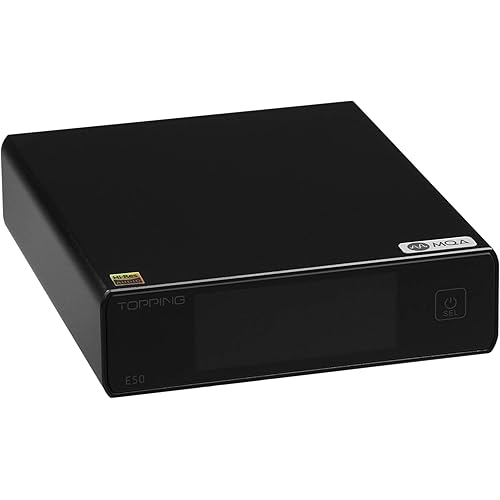
Sto recuperando un set di immagini.
Topping E50 MQA Full DAC ES9068AS XU216 32Bit/768kHz DSD512 PCM768kHz Decoder RCA TRS Ultra Low Noise Preamp (nero)
Sto recuperando il prezzo.
(a partire da 17 Febbraio 2026 18:06 GMT +01:00 - Altre informazioniProduct prices and availability are accurate as of the date/time indicated and are subject to change. Any price and availability information displayed on [relevant Amazon Site(s), as applicable] at the time of purchase will apply to the purchase of this product.)
Sto recuperando un set di immagini.
Nobsound, dispositivo Schumann Resonance Earth’s Brain Wave, per la generazione d’impulsi e risonanza di suoni a frequenza ultra bassa per rilassamento profondo, da 7,83 Hz
77,99 € (a partire da 17 Febbraio 2026 18:06 GMT +01:00 - Altre informazioniProduct prices and availability are accurate as of the date/time indicated and are subject to change. Any price and availability information displayed on [relevant Amazon Site(s), as applicable] at the time of purchase will apply to the purchase of this product.)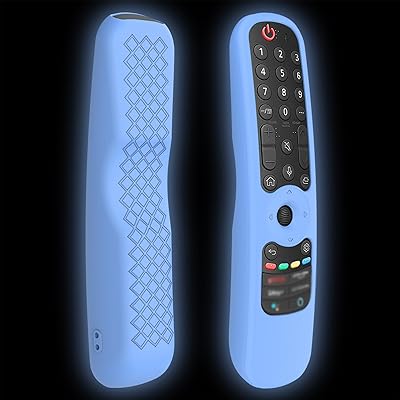
Sto recuperando un set di immagini.
HEYOMI Custodia in Silicone per Telecomando LG AN-MR21GA AN-MR21GC MR22GA MR22GN MR23GA MR24GA, Cover telecomando LG antiurto, lavabile, Cover Telecomando per LG Magic 2021/2022/2023/2024 (Blu)
9,88 € (a partire da 16 Febbraio 2026 20:14 GMT +01:00 - Altre informazioniProduct prices and availability are accurate as of the date/time indicated and are subject to change. Any price and availability information displayed on [relevant Amazon Site(s), as applicable] at the time of purchase will apply to the purchase of this product.)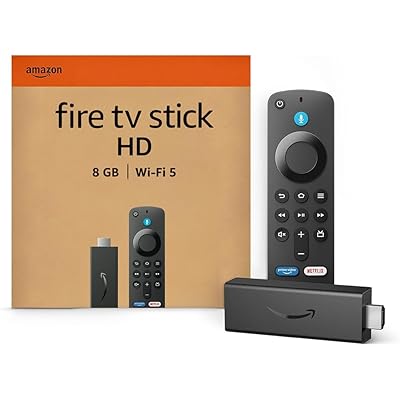
Sto recuperando un set di immagini.
Amazon Fire TV Stick HD (Ultimo modello), TV gratuita e in diretta, telecomando vocale Alexa, controlli per Casa Intelligente, streaming HD
44,99 € (a partire da 16 Febbraio 2026 20:22 GMT +01:00 - Altre informazioniProduct prices and availability are accurate as of the date/time indicated and are subject to change. Any price and availability information displayed on [relevant Amazon Site(s), as applicable] at the time of purchase will apply to the purchase of this product.)